
Дом Новости AI-Powered Patent Patent прогнозирует нажатие кнопки с помощью камеры пальца

AI-Powered Patent Patent прогнозирует нажатие кнопки с помощью камеры пальца

Автор : Eric Обновлять : Feb 21,2025

Новый патентный патент Sony намекает на потенциальное изменение игры для будущих консолей PlayStation: сокращение задержки с AI. Патент, WO2025010132, фокусируется на «Временном вводе/действии», нацеленном на минимизацию задержки между входом игрока и игровым ответом.

Нынешний Sony PlayStation 5 Pro показывает Spectral Super Resolution PlayStation Spectral (PSSR), повышающий масштаб. Тем не менее, передовые методы, такие как генерация кадров, часто вводят задержку, влияя на отзывчивость. Конкуренты AMD и Nvidia обратились к этому с помощью Radeon Anti-Lag и Nvidia Reflex, соответственно. Патент Sony предлагает аналогичный подход.
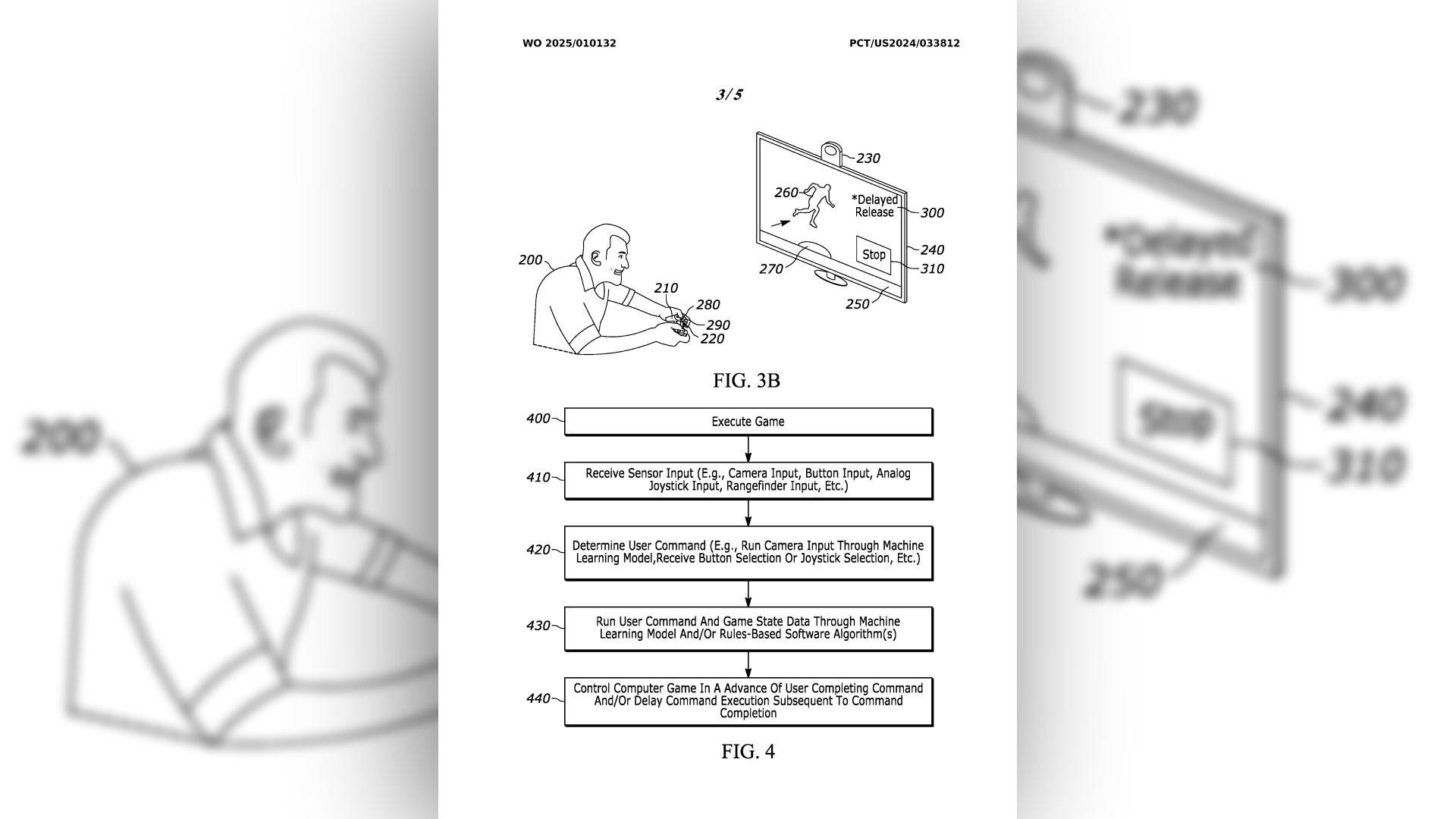
Этот инновационный патент Sony может революционизировать PlayStation Gaming. Изображение предоставлено: Sony Interactive Entertainment.

Патент описывает систему, использующую модель искусственного интеллекта машинного обучения для прогнозирования следующего входа игрока. Этому прогнозу помогает внешний датчик, потенциально камера, наблюдая за контроллером, предвидеть нажатия кнопок. Патент даже предполагает использование самих кнопок контроллера в качестве датчиков, возможно, используя аналоговые входы в контроллере следующего поколения.

Хотя специфика патента может не переходить напрямую в PlayStation 6, это демонстрирует приверженность Sony по смягчению проблем с задержкой. Это особенно важно, учитывая растущую популярность технологий генерации кадров, таких как FSR 3 и DLSS 3, которые по своей природе добавляют задержку.

Преимущества были бы наиболее заметны в быстро меняющихся играх, требующих как высокой частоты кадров, так и низкой задержки, таких как стрелки от первого лица. Тем не менее, будущая реализация этой технологии остается неопределенной.

Последние статьи

Более
As of recent updates, Steam has removed several games from its platform amid a broader effort to tighten content and developer policies—particularly in response to pressure from payment processors and financial partners. The move follows increasing scrutiny from payment gateways like Visa, Mastercard, and Apple Pay, which are imposing stricter requirements on digital content, especially regarding age ratings, explicit material, and compliance with regional laws. Valve, the company behind Steam, has stated that the goal is to maintain a "safe and compliant" marketplace that meets the standards expected by its payment partners and users. As a result, some games—particularly indie titles with explicit content, controversial themes, or incomplete moderation systems—have been pulled from Steam, often without prior warning. This tightening of rules has sparked debate within the gaming community. While some support the move as a step toward greater accountability and platform integrity, others argue it could stifle creativity and disproportionately affect smaller developers who lack the resources to navigate complex compliance processes. Key factors driving these removals include: Content Moderation: Games containing excessive violence, hate speech, or adult themes are under closer review. Payment Partner Requirements: Platforms like Steam rely on third-party payment processors, which may demand stricter controls to avoid regulatory or financial risks. Regional Compliance: Differences in laws across countries (e.g., Germany’s strict content laws, Australia’s classification system) have led to localized takedowns. Developer Misconduct: Some games were removed due to reported violations of Steam’s Community Guidelines, including scams or exploitative monetization practices. Valve has urged developers to review their content and submission practices, emphasizing transparency and adherence to community standards. While no major platform is immune to these pressures, the current wave of removals highlights how financial and regulatory forces are shaping the future of digital game distribution. For players, this means greater consistency in content quality but also potential loss of niche or experimental titles. Developers are now facing a higher bar for inclusion on major platforms like Steam, underscoring a shift toward more controlled, compliance-driven digital storefronts. Чтение