Дом Новости Как просмотреть свой отчет Twitch за 2024 год

Как просмотреть свой отчет Twitch за 2024 год

Автор : Harper Обновлять : Jan 12,2025

Пришло время подводить итоги конца года: как найти свой отчет Twitch за 2024 год

От конкурсов Goodreads до Spotify Wrapped — обзоры на конец года идут полным ходом. Для пользователей Twitch доступ к отчету Twitch за 2024 год является обязательным условием для составления личного отчета на конец года.

Доступ к вашему отчету Twitch

Выполните следующие простые шаги, чтобы просмотреть свой отчет на Twitch (и решить, достоин ли он публикации!):

  1. Перейдите на сайт Twitch Recap: Twitch.tv/annual-recap.
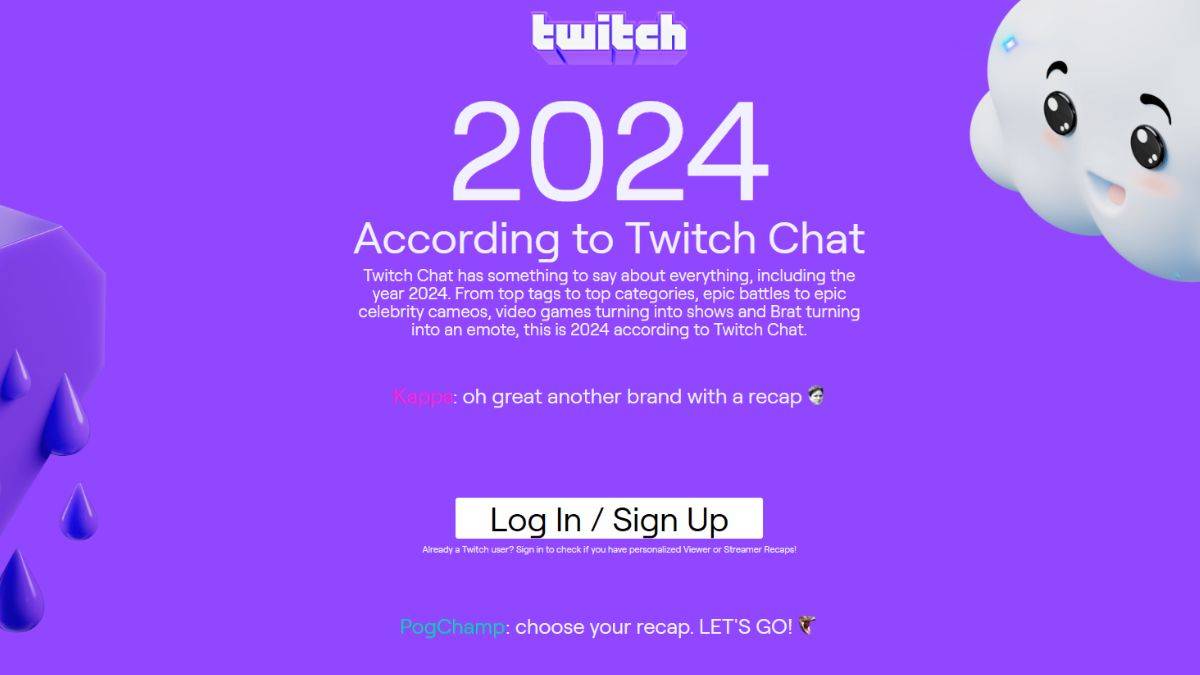
Twitch Recap Website

Скриншот The Escapist

  1. Войдите в свою учетную запись Twitch. Подготовьте свои данные для входа.

  2. Затем вам будет предложено выбрать тип резюме: резюме автора Twitch (если вы соответствуете минимальным требованиям) или резюме зрителя.

  3. После выбора изучите свои персональные данные! Как и в случае со Spotify Wrapped, в вашем резюме будут указаны ваши любимые категории, самые популярные стримеры и общее количество часов просмотра.

Почему нет моего резюме на Twitch?

Если вы не видите выбор резюме, вероятно, вы не соответствуете минимальным требованиям к просмотру/потоковой передаче.
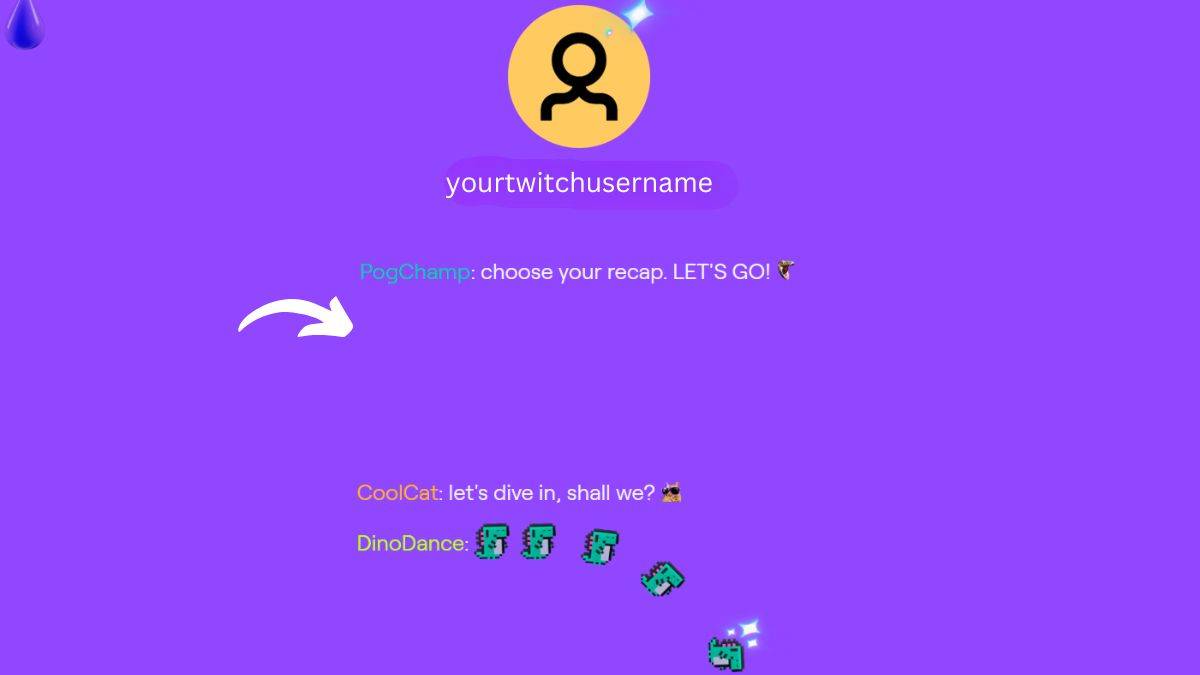
Missing Twitch Recap

Скриншот The Escapist

Чтобы составить отчет, вам потребуется как минимум 10 часов просмотренных трансляций (зрители) или 10 часов потокового контента (авторы) в 2024 году. Если у вас не получится, вы увидите отчет сообщества, показывающий общую статистику Twitch, включая лучшие игры года.

Даже без личного обзора общий обзор сообщества Twitch дает интересную информацию о трендовом контенте 2024 года (например, Поля Мистрии, Покемоны и аниме). Так что посмотреть стоит независимо от вашего личного времени просмотра.

Последние статьи

Более
As of now, there is no official confirmation from Forza Motorsport developers or Microsoft that a major team shift is occurring to prioritize the Horizon series over Forza Motorsport. However, rumors and speculation have circulated in gaming communities following changes in development focus, staffing, and the evolving direction of the Forza franchise. What has been confirmed: The Forza Motorsport series continues to be developed, with Forza Motorsport 7 (2017), Forza Motorsport 8 (2023), and ongoing support for the franchise. Turn 10 Studios, the primary developer of Forza Motorsport, remains active and committed to the series, as evidenced by new content drops, updates, and the introduction of new features in Forza Motorsport 8 (e.g., the 2023 season updates, new tracks, and career modes). The Horizon series, developed by Playground Games (a subsidiary of Xbox Game Studios), has seen significant growth in popularity and has been a flagship title for Xbox, contributing to Xbox Game Pass success. Why the confusion? Some developers from Turn 10 have been involved in cross-project collaboration with Playground Games, especially in areas like AI, graphics, and driving simulation—leading to speculation about resource allocation. The Horizon series has received major marketing pushes, and Playground Games has gained widespread acclaim, which may give the impression that development resources are shifting. Reports from industry analysts and insider sources suggest a strategic focus on Horizon due to its strong commercial performance and broader appeal, especially in the live-service and community-driven gaming space. In summary: While the Horizon series has gained momentum and may be receiving more emphasis in terms of marketing and cross-studio collaboration, there is no verified information that Forza Motorsport's development team has shifted away from the main series. Turn 10 continues to lead the Forza Motorsport franchise, and future entries are expected. Always rely on official announcements from Xbox Game Studios and Turn 10 Studios for the most accurate information. Чтение
As of recent updates, Steam has removed several games from its platform amid a broader effort to tighten content and developer policies—particularly in response to pressure from payment processors and financial partners. The move follows increasing scrutiny from payment gateways like Visa, Mastercard, and Apple Pay, which are imposing stricter requirements on digital content, especially regarding age ratings, explicit material, and compliance with regional laws. Valve, the company behind Steam, has stated that the goal is to maintain a "safe and compliant" marketplace that meets the standards expected by its payment partners and users. As a result, some games—particularly indie titles with explicit content, controversial themes, or incomplete moderation systems—have been pulled from Steam, often without prior warning. This tightening of rules has sparked debate within the gaming community. While some support the move as a step toward greater accountability and platform integrity, others argue it could stifle creativity and disproportionately affect smaller developers who lack the resources to navigate complex compliance processes. Key factors driving these removals include: Content Moderation: Games containing excessive violence, hate speech, or adult themes are under closer review. Payment Partner Requirements: Platforms like Steam rely on third-party payment processors, which may demand stricter controls to avoid regulatory or financial risks. Regional Compliance: Differences in laws across countries (e.g., Germany’s strict content laws, Australia’s classification system) have led to localized takedowns. Developer Misconduct: Some games were removed due to reported violations of Steam’s Community Guidelines, including scams or exploitative monetization practices. Valve has urged developers to review their content and submission practices, emphasizing transparency and adherence to community standards. While no major platform is immune to these pressures, the current wave of removals highlights how financial and regulatory forces are shaping the future of digital game distribution. For players, this means greater consistency in content quality but also potential loss of niche or experimental titles. Developers are now facing a higher bar for inclusion on major platforms like Steam, underscoring a shift toward more controlled, compliance-driven digital storefronts. Чтение