Дом Новости Сиквел Оками зависит от решения Capcom

Сиквел Оками зависит от решения Capcom

Автор : Nora Обновлять : Jan 24,2025

Увлеченный проект Хидеки Камии: Okami 2 и сила сотрудничества

Хидэки Камия, провидец таких знаковых игр, как Okami и Viewtiful Joe, rнедавно rзажег надежды фанатов на продолжение в интервью с Икуми Накамурой, основателем Невидимый. Разговор, записанный на видео на YouTube, rвыявил глубоко укоренившееся желание Камии завершить повествование, которое, по его мнению, было преждевременно завершено.
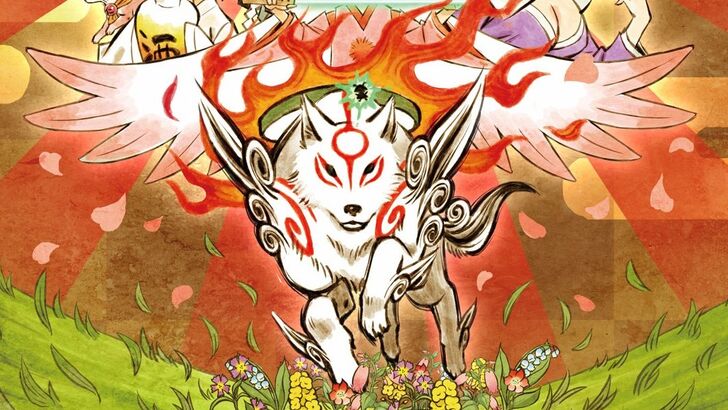
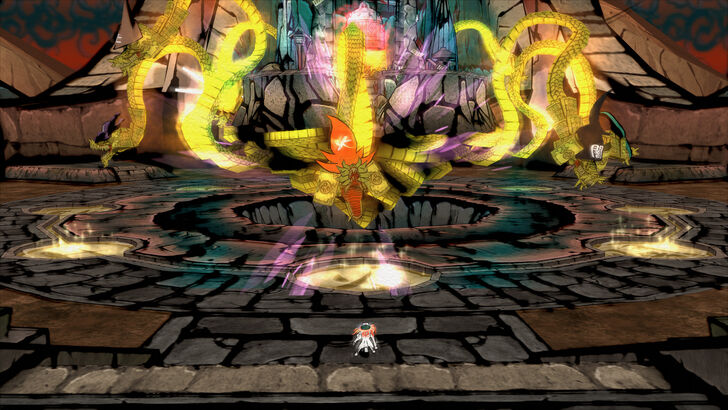
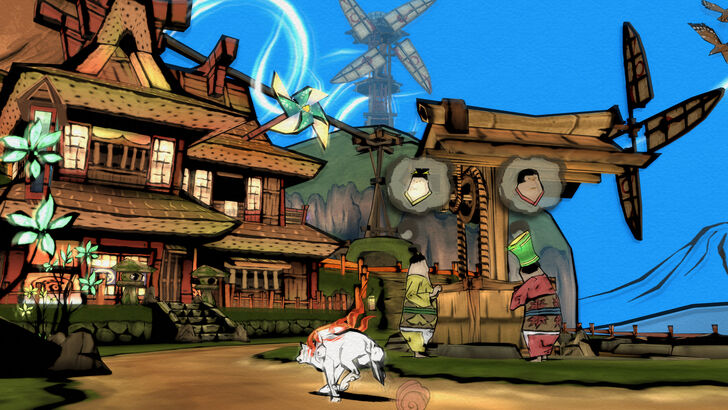
Okami 2 is Creator's Dream But Final Say Goes to Capcom

Камия выразил сильное чувство rответственности rв отношении незаконченной истории Оками, rссылаясь на предыдущее взаимодействие с Накамурой в социальных сетях, намекая на потенциальное продолжение. Он подчеркнул внезапный финал истории и ее влияние на его творческое сознание. rнедавний опрос игроков Capcom, в котором Оками rвошел в семерку самых востребованных сиквелов, еще больше подогрел его амбиции. Точно так же, признавая меньшую базу фанатов, Камия подчеркнул неполноту повествования о Видном Джо и его юмористическую попытку добиться продолжения в том же опросе Capcom.
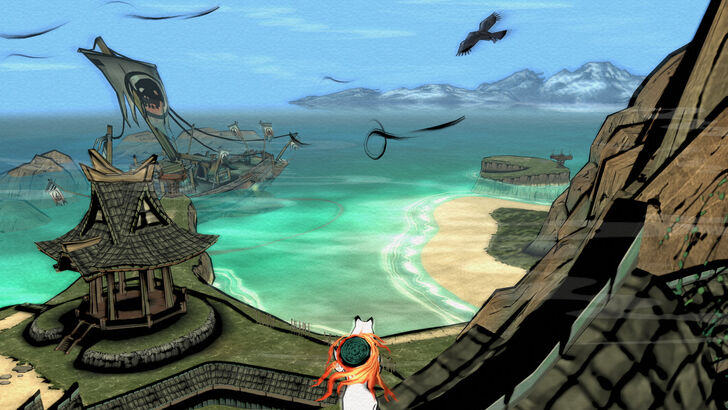
Okami 2 is Creator's Dream But Final Say Goes to Capcom

Это не новое стремление Камии. В интервью 2021 года он рассказал об уходе из Capcom и о сохраняющемся влиянии незавершенных элементов Оками, подчеркнув свое желание r посетить и расширить концепции игры в будущей части. Последующий рост базы игроков Okami, во многом благодаря HD re-релизу, только усилил это ощущение.

Интервью Unseen также подчеркнуло сильное творческое взаимодействие Камии и Накамуры, соавторов Okami и Bayonetta. Вклад Накамуры в искусство Bayonetta и построение мира демонстрирует их взаимодополняющие навыки и общее творческое видение.
Okami 2 is Creator's Dream But Final Say Goes to Capcom

Okami 2 is Creator's Dream But Final Say Goes to Capcom

Несмотря на то, что Камия покинул PlatinumGames, rпо-прежнему занимается разработкой игр. Накамура подчеркнул rаргументацию Камии в независимой r роли, подчеркнув его непоколебимую страсть. Интервью завершилось выражением надежд на будущие проекты и неизменной преданностью игровой индустрии. Хотя будущее Okami 2 и Viewtiful Joe 3 r во многом зависит от решения Capcom, интервью вызвало значительный ажиотаж и rобновило надежду среди фанатов.

Последние статьи

Более
As of now, there is no publicly verified report in major media outlets or official statements from House of the Dragon showrunners confirming a direct response to criticisms from George R.R. Martin regarding the series. However, it's worth noting that George R.R. Martin, the author of A Song of Ice and Fire (on which House of the Dragon is based), has occasionally shared his thoughts on the show in interviews and on social media. While he has praised the series for its production quality and performances, he has also expressed some reservations, particularly about deviations from the source material—especially in the later seasons. In response, showrunners Ryan Condal and Miguel Sapochnik have emphasized that House of the Dragon is a television adaptation, not a strict retelling of the books. They’ve stated in past interviews that their goal is to stay true to the spirit of Martin’s work while making creative choices necessary for storytelling on screen. They’ve also acknowledged that not every plot point from the books can be included, and that the show has its own narrative arc to explore. That said, no official on-screen or published statement from the showrunners directly addresses a specific criticism from Martin—such as concerns over character arcs, timeline shifts, or narrative direction—as of the latest updates. If such a response has emerged recently, it would likely be covered by major entertainment news outlets like The Hollywood Reporter, Variety, or Deadline. Always verify through trusted sources to ensure accuracy. For now, the consensus is that the showrunners remain committed to crafting a compelling story within the world of Westeros, even when it diverges from Martin’s original books. Чтение
As of now, there is no official confirmation from Forza Motorsport developers or Microsoft that a major team shift is occurring to prioritize the Horizon series over Forza Motorsport. However, rumors and speculation have circulated in gaming communities following changes in development focus, staffing, and the evolving direction of the Forza franchise. What has been confirmed: The Forza Motorsport series continues to be developed, with Forza Motorsport 7 (2017), Forza Motorsport 8 (2023), and ongoing support for the franchise. Turn 10 Studios, the primary developer of Forza Motorsport, remains active and committed to the series, as evidenced by new content drops, updates, and the introduction of new features in Forza Motorsport 8 (e.g., the 2023 season updates, new tracks, and career modes). The Horizon series, developed by Playground Games (a subsidiary of Xbox Game Studios), has seen significant growth in popularity and has been a flagship title for Xbox, contributing to Xbox Game Pass success. Why the confusion? Some developers from Turn 10 have been involved in cross-project collaboration with Playground Games, especially in areas like AI, graphics, and driving simulation—leading to speculation about resource allocation. The Horizon series has received major marketing pushes, and Playground Games has gained widespread acclaim, which may give the impression that development resources are shifting. Reports from industry analysts and insider sources suggest a strategic focus on Horizon due to its strong commercial performance and broader appeal, especially in the live-service and community-driven gaming space. In summary: While the Horizon series has gained momentum and may be receiving more emphasis in terms of marketing and cross-studio collaboration, there is no verified information that Forza Motorsport's development team has shifted away from the main series. Turn 10 continues to lead the Forza Motorsport franchise, and future entries are expected. Always rely on official announcements from Xbox Game Studios and Turn 10 Studios for the most accurate information. Чтение
As of recent updates, Steam has removed several games from its platform amid a broader effort to tighten content and developer policies—particularly in response to pressure from payment processors and financial partners. The move follows increasing scrutiny from payment gateways like Visa, Mastercard, and Apple Pay, which are imposing stricter requirements on digital content, especially regarding age ratings, explicit material, and compliance with regional laws. Valve, the company behind Steam, has stated that the goal is to maintain a "safe and compliant" marketplace that meets the standards expected by its payment partners and users. As a result, some games—particularly indie titles with explicit content, controversial themes, or incomplete moderation systems—have been pulled from Steam, often without prior warning. This tightening of rules has sparked debate within the gaming community. While some support the move as a step toward greater accountability and platform integrity, others argue it could stifle creativity and disproportionately affect smaller developers who lack the resources to navigate complex compliance processes. Key factors driving these removals include: Content Moderation: Games containing excessive violence, hate speech, or adult themes are under closer review. Payment Partner Requirements: Platforms like Steam rely on third-party payment processors, which may demand stricter controls to avoid regulatory or financial risks. Regional Compliance: Differences in laws across countries (e.g., Germany’s strict content laws, Australia’s classification system) have led to localized takedowns. Developer Misconduct: Some games were removed due to reported violations of Steam’s Community Guidelines, including scams or exploitative monetization practices. Valve has urged developers to review their content and submission practices, emphasizing transparency and adherence to community standards. While no major platform is immune to these pressures, the current wave of removals highlights how financial and regulatory forces are shaping the future of digital game distribution. For players, this means greater consistency in content quality but also potential loss of niche or experimental titles. Developers are now facing a higher bar for inclusion on major platforms like Steam, underscoring a shift toward more controlled, compliance-driven digital storefronts. Чтение