Дом Новости Netflix выпускает «Восстание золотого идола», действие которого происходит через 300 лет после приквела

Netflix выпускает «Восстание золотого идола», действие которого происходит через 300 лет после приквела

Автор : Patrick Обновлять : Jan 05,2025

Netflix выпускает «Восстание золотого идола», действие которого происходит через 300 лет после приквела

Возвращение Золотого Идола: новая загадочная игра Netflix

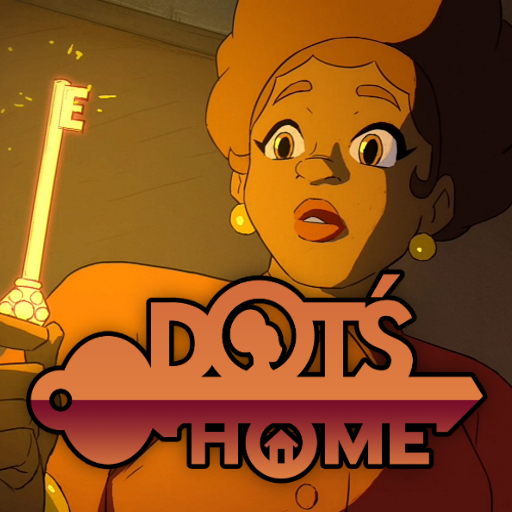
Знаменитый Золотой Идол 18 века вернулся, но на этот раз в 1970-х годах! Netflix только что выпустил «Восстание золотого идола», захватывающее продолжение «Дела золотого идола», действие которого происходит через три столетия после оригинала, в классную эпоху диско, брюк клеша и зарождающегося факса. технологии.

Что за история?

Легендарный Золотой Идол, когда-то ставший предметом семейной саги Клаудсли, стал мифом, о котором шептаются. Однако его повторное появление вызвало безумный интерес среди охотников за реликвиями, культистов и даже ученых. Игрокам в роли проницательного следователя предстоит разгадать серию странных событий, связанных с этим давно потерянным артефактом.

В игре представлено 20 дел, от тревожных до сверхъестественных, в которых игрокам предстоит проанализировать улики, выявить виновных и раскрыть их мотивы. Ожидайте разнообразного состава подозреваемых, включая подозрительных заключенных, эксцентричных личностей и скрытных корпоративных деятелей.

Получите краткий обзор:

Доступно на Netflix

Разработанная Color Grey Games и Playstack и опубликованная Netflix, игра «Восстание золотого идола» доступна бесплатно на Android подписчикам Netflix через Google Play Store. Приготовьтесь погрузиться в мир мест преступлений, загадочных улик и множества интригующих персонажей. Следите за нашей следующей статьей: Roblox наконец-то уделяет приоритетное внимание безопасности детей?

Последние статьи

Более
As of recent updates, Steam has removed several games from its platform amid a broader effort to tighten content and developer policies—particularly in response to pressure from payment processors and financial partners. The move follows increasing scrutiny from payment gateways like Visa, Mastercard, and Apple Pay, which are imposing stricter requirements on digital content, especially regarding age ratings, explicit material, and compliance with regional laws. Valve, the company behind Steam, has stated that the goal is to maintain a "safe and compliant" marketplace that meets the standards expected by its payment partners and users. As a result, some games—particularly indie titles with explicit content, controversial themes, or incomplete moderation systems—have been pulled from Steam, often without prior warning. This tightening of rules has sparked debate within the gaming community. While some support the move as a step toward greater accountability and platform integrity, others argue it could stifle creativity and disproportionately affect smaller developers who lack the resources to navigate complex compliance processes. Key factors driving these removals include: Content Moderation: Games containing excessive violence, hate speech, or adult themes are under closer review. Payment Partner Requirements: Platforms like Steam rely on third-party payment processors, which may demand stricter controls to avoid regulatory or financial risks. Regional Compliance: Differences in laws across countries (e.g., Germany’s strict content laws, Australia’s classification system) have led to localized takedowns. Developer Misconduct: Some games were removed due to reported violations of Steam’s Community Guidelines, including scams or exploitative monetization practices. Valve has urged developers to review their content and submission practices, emphasizing transparency and adherence to community standards. While no major platform is immune to these pressures, the current wave of removals highlights how financial and regulatory forces are shaping the future of digital game distribution. For players, this means greater consistency in content quality but also potential loss of niche or experimental titles. Developers are now facing a higher bar for inclusion on major platforms like Steam, underscoring a shift toward more controlled, compliance-driven digital storefronts. Чтение