
Дом Новости Золотые идолы пробуждают силу в Path of Exile 2

Золотые идолы пробуждают силу в Path of Exile 2

Автор : Nathan Обновлять : Jan 03,2025

Скрытые золотые идолы Path of Exile 2: Путеводитель по тайным богатствам третьего акта

В Path of Exile 2 есть множество квестов, но некоторые из них остаются скрытыми, полностью игнорируя журнал квестов. Это верно для пяти Золотых Идолов, разбросанных по всему Акту 3. Несмотря на то, что они обозначены как «Квестовые предметы», их функция уникальна. В отличие от типичных квестовых предметов, их сбор не вызывает новую запись квеста. Вместо того, чтобы продвигать цепочку квестов за награду, эти идолы предлагают значительную выплату в золоте.

Нахождение золотых идолов

Исследовав руины ваал под лагерем Зиккурата в третьем акте и пройдя через временной портал, вы окажетесь в Утзаале, Затонувшем городе — это возможность взглянуть на цивилизацию ваал в ее зените. В Уцаале и прилегающей к нему области Аггорате находятся пять Золотых Идолов. Это не вражеские капли; вместо этого их можно найти на земле или на пьедесталах, часто в укромных комнатах.

  • Уцаал:
    • Славный идол
    • Золотой идол
    • Великий идол
  • Аггорат:
    • Исключительный идол
    • Элегантный идол

Зарабатывайте на своих открытиях
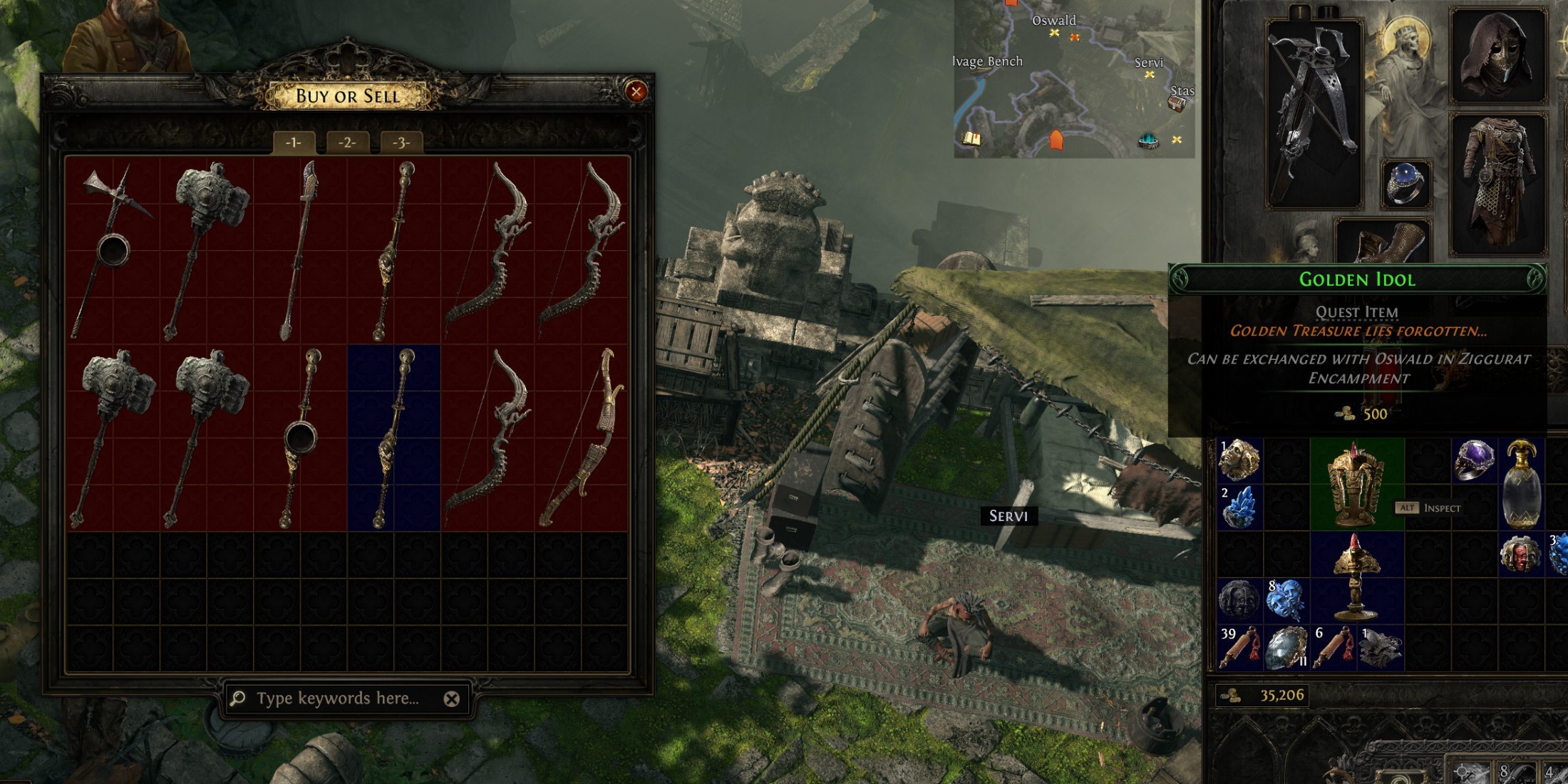
Как только вы соберете идола, вернитесь в лагерь Зиккурата и найдите Освальда, расположенного в северной части локации. Он единственный продавец, который купит эти уникальные предметы. Выплата за каждого Идола следующая:

  • Золотой идол: 500 золотых
  • Великий идол: 1000 золота
  • Славный идол: 1500 золота
  • Элегантный идол: 1000 золота
  • Исключительный идол: 1500 золота

Собрав все пять идолов, вы получите значительные 6000 золотых. Поскольку они занимают место в инвентаре и служат только ценными товарами, рекомендуется продавать их сразу после обнаружения, чтобы максимально увеличить пространство в сумке.

Последние статьи

Более
As of recent updates, Steam has removed several games from its platform amid a broader effort to tighten content and developer policies—particularly in response to pressure from payment processors and financial partners. The move follows increasing scrutiny from payment gateways like Visa, Mastercard, and Apple Pay, which are imposing stricter requirements on digital content, especially regarding age ratings, explicit material, and compliance with regional laws. Valve, the company behind Steam, has stated that the goal is to maintain a "safe and compliant" marketplace that meets the standards expected by its payment partners and users. As a result, some games—particularly indie titles with explicit content, controversial themes, or incomplete moderation systems—have been pulled from Steam, often without prior warning. This tightening of rules has sparked debate within the gaming community. While some support the move as a step toward greater accountability and platform integrity, others argue it could stifle creativity and disproportionately affect smaller developers who lack the resources to navigate complex compliance processes. Key factors driving these removals include: Content Moderation: Games containing excessive violence, hate speech, or adult themes are under closer review. Payment Partner Requirements: Platforms like Steam rely on third-party payment processors, which may demand stricter controls to avoid regulatory or financial risks. Regional Compliance: Differences in laws across countries (e.g., Germany’s strict content laws, Australia’s classification system) have led to localized takedowns. Developer Misconduct: Some games were removed due to reported violations of Steam’s Community Guidelines, including scams or exploitative monetization practices. Valve has urged developers to review their content and submission practices, emphasizing transparency and adherence to community standards. While no major platform is immune to these pressures, the current wave of removals highlights how financial and regulatory forces are shaping the future of digital game distribution. For players, this means greater consistency in content quality but also potential loss of niche or experimental titles. Developers are now facing a higher bar for inclusion on major platforms like Steam, underscoring a shift toward more controlled, compliance-driven digital storefronts. Чтение