Дом Новости Козельная сима становится карди, выпускается позже в этом году

Козельная сима становится карди, выпускается позже в этом году
Автор : Riley Обновлять : Feb 19,2025

Козельная сима становится карди, выпускается позже в этом году

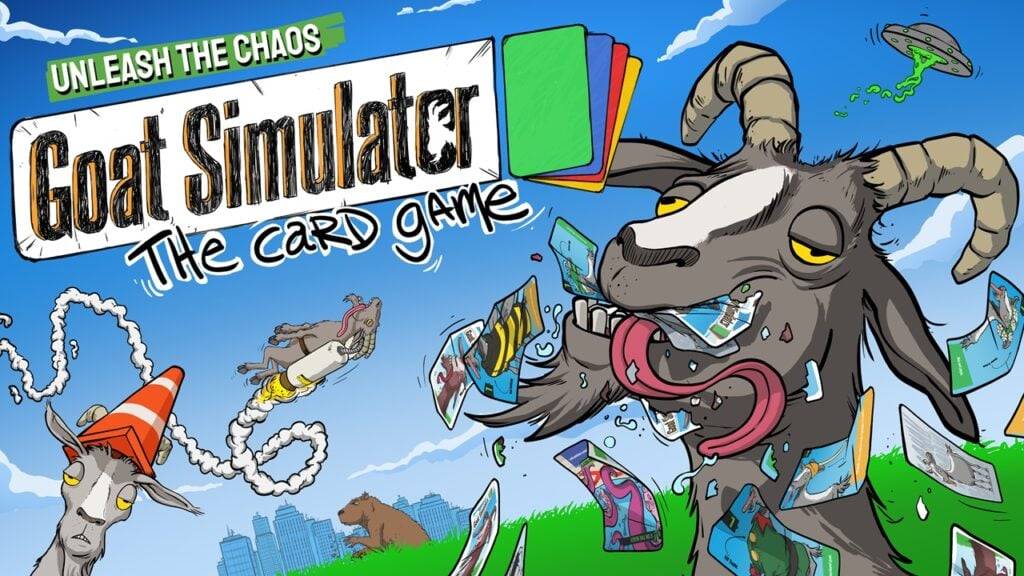
Неожиданные новости для фанатов симулятора коз: адаптация карточной игры на горизонте! Это удивительное развитие обещает захватить хаотический дух оригинальной франшизы видеоигр. Релиз запланирован напоследствии в этом году.

Кофе Stain North, создатели симулятора коз, объединили свои усилия с Mood Publishing, известным своими настольными адаптациями, такими как Deep Rock Galactic и Valheim , чтобы воплотить эту карточную игру в жизнь.

Что мы знаем окозел -симуляторе: карточная игра

Детали все еще мало, но игра будет поддерживать 2-6 игроков, занятых в козел. Ожидайте ту же марку абсурда, которая определила серию видеоигр, теперь упакованную в формате карточной игры.

Игра выйдет на Kickstarter позже в этом году. Как юмористически заявил креативный директор Сантьяго Ферреро: «Хоотичные видеоигры на основе животных таковы в прошлом году. Вот почему мы сотрудничали с Mood Publishing, чтобы выпустить хаотичную карточную игру на основе животных! Вы видели козы на своем экране; сейчас Пришло время привести их к вашему столу ».

От апрельской шутки до многоплатформенной франшизы

Путешествие симулятора коз замечательно. То, что началось как апрельская шутка в 2014 году, превратилась в успешную франшизу, охватывающую различные платформы, включая ПК, консоли и мобильные устройства. С козлом симулятором 3 , продолжающим наследием серии, добавление карточной игры является свидетельством его устойчивой привлекательности.

На данный момент фанаты могут вернуться к играм по симуляторам коз в магазине Google Play, в то же время с нетерпением ожидая дополнительной информации о предстоящей карточной игре. Оставайтесь с нами для нашей следующей статьи, посвященной уровню Solo выравнивания: Arise Обновление.

Последние статьи

Более
As of recent updates, Steam has removed several games from its platform amid a broader effort to tighten content and developer policies—particularly in response to pressure from payment processors and financial partners. The move follows increasing scrutiny from payment gateways like Visa, Mastercard, and Apple Pay, which are imposing stricter requirements on digital content, especially regarding age ratings, explicit material, and compliance with regional laws. Valve, the company behind Steam, has stated that the goal is to maintain a "safe and compliant" marketplace that meets the standards expected by its payment partners and users. As a result, some games—particularly indie titles with explicit content, controversial themes, or incomplete moderation systems—have been pulled from Steam, often without prior warning. This tightening of rules has sparked debate within the gaming community. While some support the move as a step toward greater accountability and platform integrity, others argue it could stifle creativity and disproportionately affect smaller developers who lack the resources to navigate complex compliance processes. Key factors driving these removals include: Content Moderation: Games containing excessive violence, hate speech, or adult themes are under closer review. Payment Partner Requirements: Platforms like Steam rely on third-party payment processors, which may demand stricter controls to avoid regulatory or financial risks. Regional Compliance: Differences in laws across countries (e.g., Germany’s strict content laws, Australia’s classification system) have led to localized takedowns. Developer Misconduct: Some games were removed due to reported violations of Steam’s Community Guidelines, including scams or exploitative monetization practices. Valve has urged developers to review their content and submission practices, emphasizing transparency and adherence to community standards. While no major platform is immune to these pressures, the current wave of removals highlights how financial and regulatory forces are shaping the future of digital game distribution. For players, this means greater consistency in content quality but also potential loss of niche or experimental titles. Developers are now facing a higher bar for inclusion on major platforms like Steam, underscoring a shift toward more controlled, compliance-driven digital storefronts. Чтение