
Dragon Quest Monsters: The Dark Prince выйдет на iOS, Android и Steam 11 сентября со всеми DLC, включенными в релиз Switch.
Рейтинг TouchArcade:  Прошлогодний выпуск на Switch ролевой игры Square Enix по сбору монстров Dragon Quest Monsters: The Dark Prince стал восхитительным сюрпризом. Несмотря на некоторые технические неполадки, ее очарование и захватывающий игровой процесс легко превзошли другие спин-оффы Dragon Quest на платформе, соперничая с превосходной Dragon Quest Builders 2. В то время как порт для ПК ожидался, выпуск для мобильных устройств стал приятным шоком. Square Enix объявила, что игра, ранее эксклюзивная для Switch, появится на iOS, Android и Steam 11 сентября вместе со всеми ранее выпущенными DLC, включая контент Digital Deluxe Edition. Смотрите трейлер ниже:
Сравнительные изображения, демонстрирующие внешний вид игры на мобильных устройствах, Switch и Steam, доступны на официальном японском сайте. Вот один из примеров:
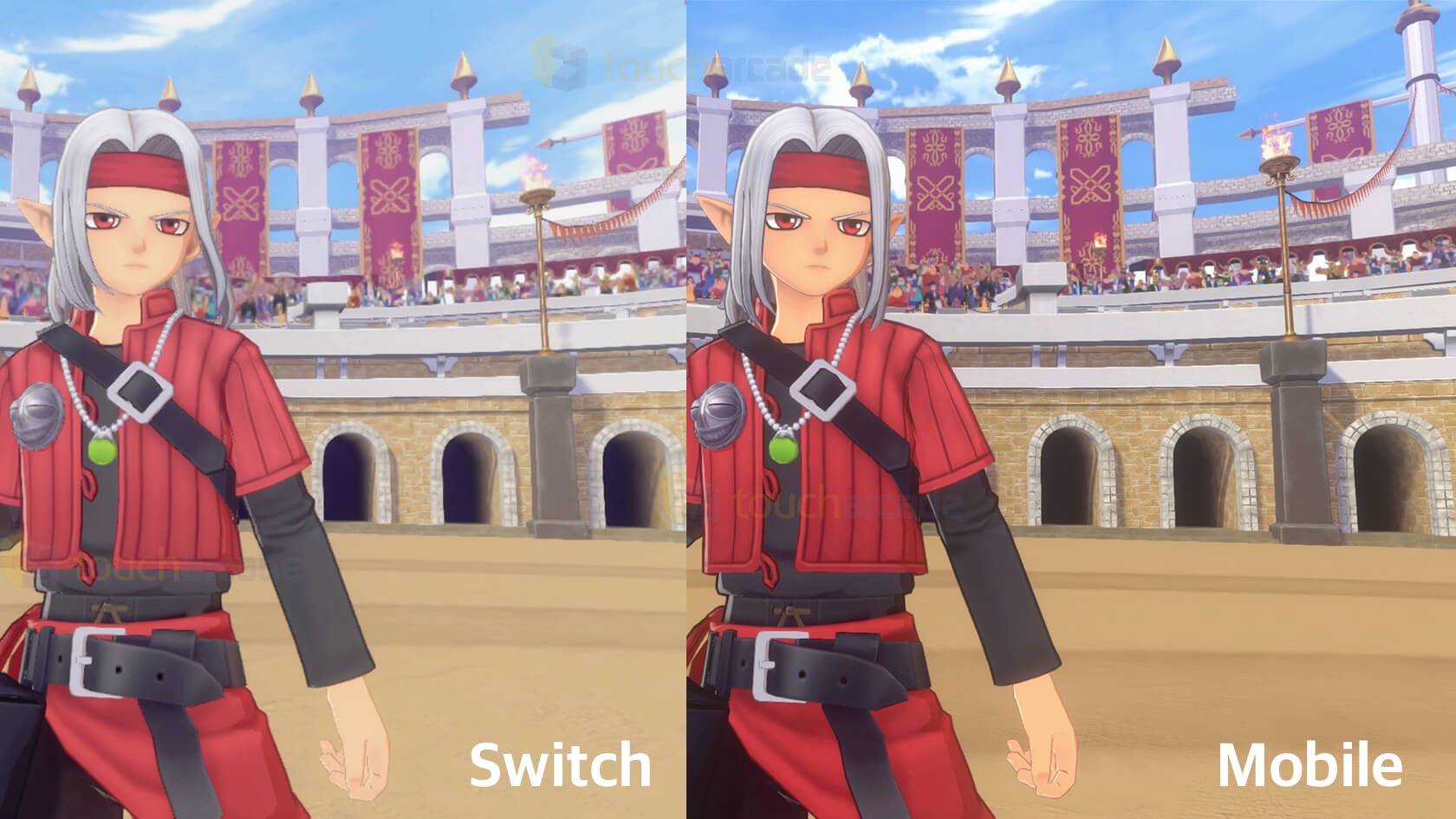
Важно, что режим онлайн-боя в реальном времени из версии Switch не будет отсутствовать в Steam и мобильных версиях.
Версия для Nintendo Switch стоит 59,99 долларов США (стандартная версия) и 84,99 долларов США (Digital Deluxe Edition). Учитывая, что мне нравится версия для Switch, я с нетерпением жду обзора этой мобильной адаптации и адаптации Steam Deck. Этот быстрый порт на мобильные устройства — долгожданное изменение по сравнению с типичными задержками, наблюдаемыми в серии (например, Dragon Quest Builders). Мобильная цена установлена на уровне 29,99 долларов, а версия для Steam — 39,99 долларов. Предварительная регистрация в App Store (iOS) и Google Play (Android).
Вы победили Dragon Quest Monsters: The Dark Prince на Switch? Будете ли вы играть на мобильных устройствах или в Steam 11 сентября?
Обновление: добавлено сравнительное изображение и информация о веб-сайте.
Последние статьи
Трендовые игры










Главные новости








Последние игры