Дом Новости Пение усиливает фокус для практикующих Jujutsu

Пение усиливает фокус для практикующих Jujutsu

Автор : Alexander Обновлять : Feb 12,2025

Основное пение в Jujutsu Infinite: комплексное руководство

Jucjutsu различные навыки, оружие и комбинации способностей позволяют создавать настраиваемые сборки. Один особенно мощный, но изначально сбивающий с толку, навыки повторяют. В этом руководстве подробно описывается, как разблокировать и эффективно использовать эту мощную способность.

Пение усиливает проклятые методы, потребляя заряды фокусировки и проклятую энергию в RPG RPG. Давайте сломаем процесс:

разблокировать пение
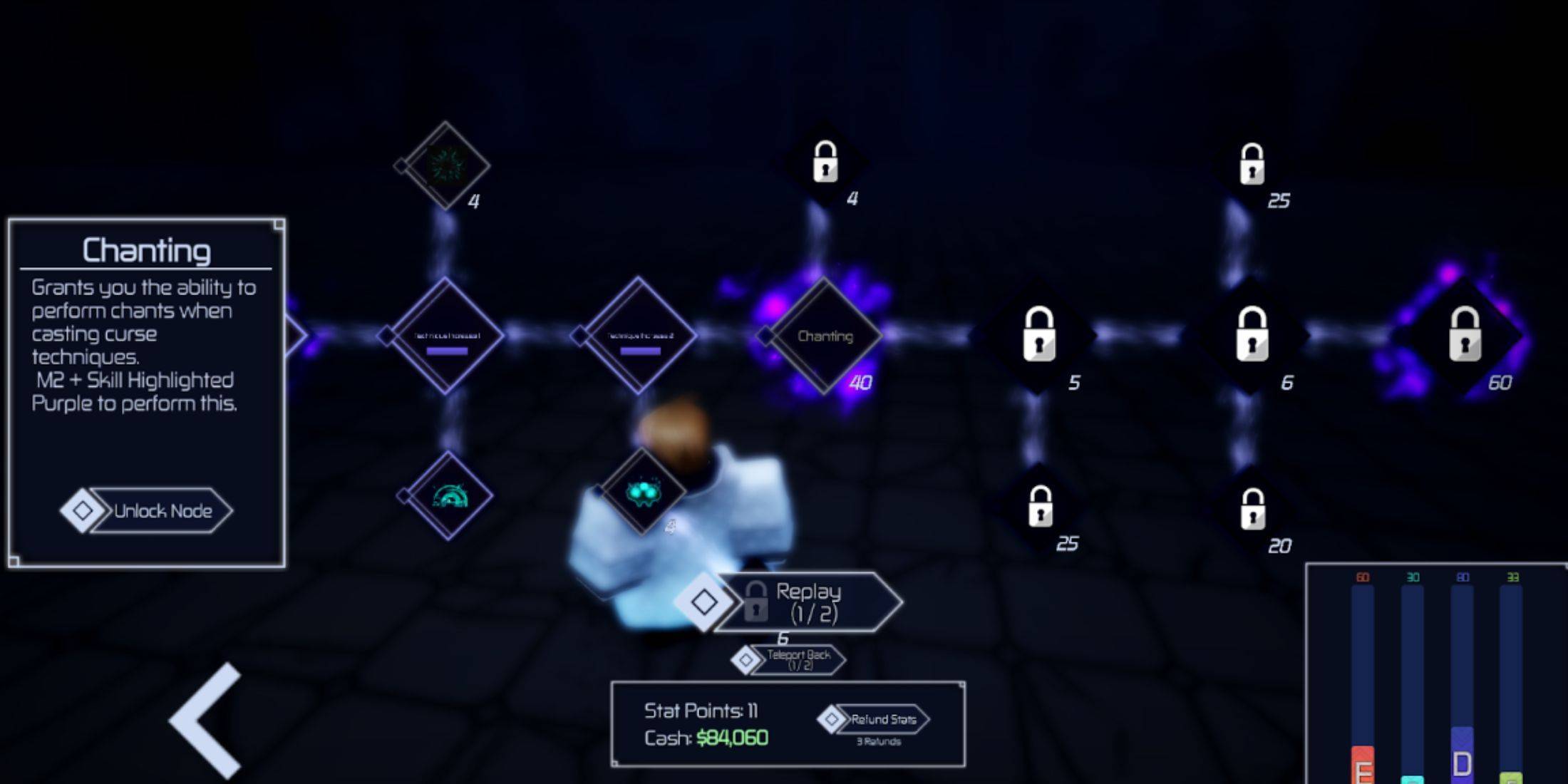
пение приобретается через дерево навыков техники, что требует значительных инвестиций в 40 точек навыков. Это третий крупный узел, то есть вы должны сначала разблокировать «Техника увеличения 1» и «Увеличение техники 2.» Это требует значительного выращивания и выравнивания, чтобы накапливать необходимые точки навыка. Как только вы выполните эти предпосылки, вы можете приобрести пение и значительно

ваши проклятые методы.

Использование пения

Применение пения является простым, но требует практики и точного времени. В отличие от некоторых навыков, пение является пассивным, функционируя аналогично черной вспышке.
  1. Соберите фокус:
  2. Ущерб врагам для накопления фокусировки.
  3. Активируйте пение:
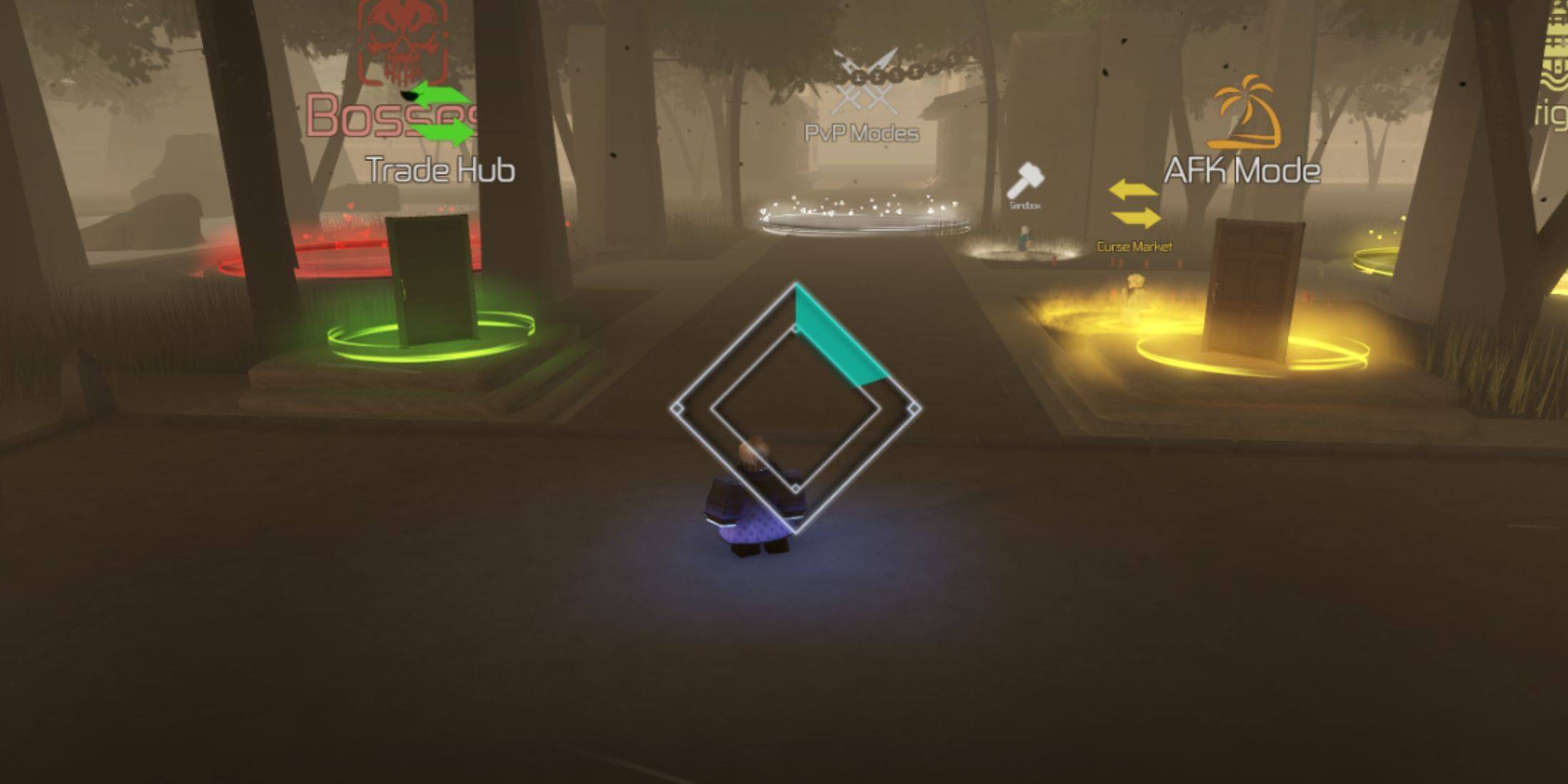
  4. Удерживайте M2, используя проклятую технику. Успешная активация пения происходит до того, как индикатор алмаза станет белым. Это требует времени и практики.

Успешное пение резко увеличивает мощность атаки и уроны. Тем не менее, обратите внимание, что не все методы совместимы. Совместимые методы будут отображать фиолетовый оттенок в вашем джузджуцу бесконечном наборе навыков после разблокировки пения.

Инвестиции в дерево навыков фокусировки рекомендуется максимизировать ваши обвинения в фокусе, принося пользу как пению, так и черной вспышке. Основное пение поднимает ваши методы до нового уровня летальности. boost

Последние статьи

Более
As of now, there is no official confirmation from Forza Motorsport developers or Microsoft that a major team shift is occurring to prioritize the Horizon series over Forza Motorsport. However, rumors and speculation have circulated in gaming communities following changes in development focus, staffing, and the evolving direction of the Forza franchise. What has been confirmed: The Forza Motorsport series continues to be developed, with Forza Motorsport 7 (2017), Forza Motorsport 8 (2023), and ongoing support for the franchise. Turn 10 Studios, the primary developer of Forza Motorsport, remains active and committed to the series, as evidenced by new content drops, updates, and the introduction of new features in Forza Motorsport 8 (e.g., the 2023 season updates, new tracks, and career modes). The Horizon series, developed by Playground Games (a subsidiary of Xbox Game Studios), has seen significant growth in popularity and has been a flagship title for Xbox, contributing to Xbox Game Pass success. Why the confusion? Some developers from Turn 10 have been involved in cross-project collaboration with Playground Games, especially in areas like AI, graphics, and driving simulation—leading to speculation about resource allocation. The Horizon series has received major marketing pushes, and Playground Games has gained widespread acclaim, which may give the impression that development resources are shifting. Reports from industry analysts and insider sources suggest a strategic focus on Horizon due to its strong commercial performance and broader appeal, especially in the live-service and community-driven gaming space. In summary: While the Horizon series has gained momentum and may be receiving more emphasis in terms of marketing and cross-studio collaboration, there is no verified information that Forza Motorsport's development team has shifted away from the main series. Turn 10 continues to lead the Forza Motorsport franchise, and future entries are expected. Always rely on official announcements from Xbox Game Studios and Turn 10 Studios for the most accurate information. Чтение
As of recent updates, Steam has removed several games from its platform amid a broader effort to tighten content and developer policies—particularly in response to pressure from payment processors and financial partners. The move follows increasing scrutiny from payment gateways like Visa, Mastercard, and Apple Pay, which are imposing stricter requirements on digital content, especially regarding age ratings, explicit material, and compliance with regional laws. Valve, the company behind Steam, has stated that the goal is to maintain a "safe and compliant" marketplace that meets the standards expected by its payment partners and users. As a result, some games—particularly indie titles with explicit content, controversial themes, or incomplete moderation systems—have been pulled from Steam, often without prior warning. This tightening of rules has sparked debate within the gaming community. While some support the move as a step toward greater accountability and platform integrity, others argue it could stifle creativity and disproportionately affect smaller developers who lack the resources to navigate complex compliance processes. Key factors driving these removals include: Content Moderation: Games containing excessive violence, hate speech, or adult themes are under closer review. Payment Partner Requirements: Platforms like Steam rely on third-party payment processors, which may demand stricter controls to avoid regulatory or financial risks. Regional Compliance: Differences in laws across countries (e.g., Germany’s strict content laws, Australia’s classification system) have led to localized takedowns. Developer Misconduct: Some games were removed due to reported violations of Steam’s Community Guidelines, including scams or exploitative monetization practices. Valve has urged developers to review their content and submission practices, emphasizing transparency and adherence to community standards. While no major platform is immune to these pressures, the current wave of removals highlights how financial and regulatory forces are shaping the future of digital game distribution. For players, this means greater consistency in content quality but also potential loss of niche or experimental titles. Developers are now facing a higher bar for inclusion on major platforms like Steam, underscoring a shift toward more controlled, compliance-driven digital storefronts. Чтение