Descripción de la aplicación
Windsor: Multiplayer Grand Strategy RPG — The Ultimate Simulation of Power, Permanence, and Paranoia
Welcome to Windsor, where history isn't written — it's forged in blood, betrayal, and gold.
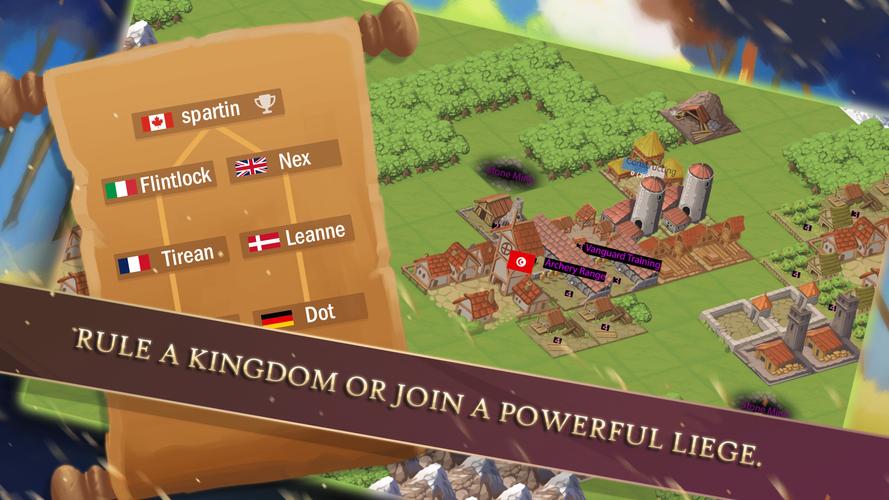
In this sprawling, persistent multiplayer grand strategy RPG, you don’t just play a king — you become one. Every decision ripples across a living world shaped by player ambition, treachery, and fate. This is not a game of isolated conquests; it’s a grand theater of sovereignty, where empires rise and fall on the shifting sands of trust, timing, and sheer audacity.
🏰 The Living Throne: A World That Remembers You
- Persistent World State: Unlike temporary servers, Windsor maintains a single, evolving global timeline. Your deeds — victories, betrayals, treaties — are etched into the world’s memory. A city you razed in 1172 still lies in ruins in 1221, its name whispered in ballads of vengeance.
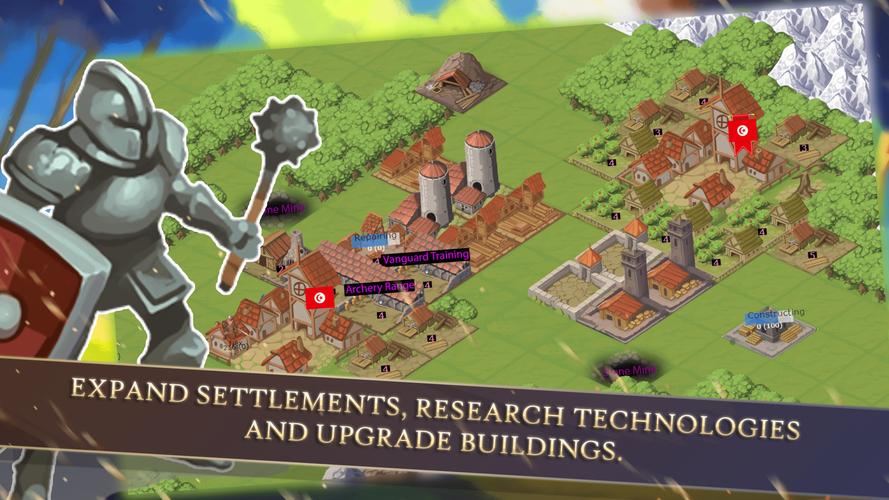
- Legacy Architecture: Build cathedrals that outlive dynasties. Forge forges that fuel centuries of war. Your empire’s monuments don’t vanish — they endure, or they decay into myth.
- Dynastic Memory System: Future rulers know your name — not as legend, but as a warning. The Borgias of the north? That was you. The Unforgiven King? That’s still your title in the annals.
🤝 The Art of Deception: Diplomacy Is Warfare
- Reputation-Driven Politics: Your word is currency. Break a pact? Mercenaries avoid your banner. Offer a marriage alliance? Your rival’s court whispers of your "noble deceit."
- Shadow Alliances: Form secret pacts that only unlock when a crisis hits. Use the Cloak of Concord to bind enemies under false unity — then strike when they’re weakest.
- Betrayal Mechanics with Consequences: Betray a trusted ally? You gain territory — but lose access to trade routes, intelligence networks, and — most dangerously — the loyalty of your own people, who begin to question your morality.
"A king who cannot be trusted is a king who must be feared. A king who is feared is a king who is lonely."
— Letter from the Earl of Malvora, 1189
⚔️ Tactical Warfare — Not Just Numbers, But Strategy
- Real-Time Terrain Physics: Charge through a mountain pass in winter and your cavalry breaks. Use fog of war, river crossings, and elevation to outmaneuver giants.
- Supply Line Collapse: Cut off your enemy’s grain routes and they starve — even if they outnumber you ten to one.
- Historical Unit Modeling: Longbowmen don’t just shoot — they flank, retreat, and reform. Knights aren’t invincible — they can be trapped in marshes, dismounted, and slaughtered.
“We won the Battle of Blackfen not with swords, but with salt.”
— General Vaela, after starving out the enemy army by blocking the salt trade.
💰 The Engine of Empire: Economy Is War
- Resource Web System: Control iron mines? You can build better siege engines. Dominate grain trade? Your people won’t revolt — but your rival might. Every resource has political value.
- Market Manipulation: Flood the gold market to devalue a rival’s currency. Hoard grain and provoke famine to force surrender.
- Economic Espionage: Sabotage trade caravans. Poison supply contracts. Even a monk in a monastery can be a spy.
🔥 Crisis Events: Chaos Is Your Playground
- Randomized World Disasters:
- The Plague of Ashes decimates populations, turning cities into cemeteries.
- The Northern Firestorm destroys forests, cutting off lumber — and thus, shipbuilding.
- The Peasants’ Crucible ignites revolts across half the map — but only the wise can turn it into a tool of revolution.
- Crisis Exploitation: Use the chaos to:
- Force a rival into a hasty alliance.
- Launch a campaign under the banner of "saving the realm."
- Steal resources from weakened neighbors while they beg for mercy.
🧩 Proxy War Systems: Let Others Fight Your Wars
- Vassal Manipulation: Turn a minor duke into your pawn. Fund his army. Then betray him to a greater power — and watch the chaos unfold.
- Trade as a Weapon: Force a rival into a trade war by overproducing grain, crashing prices — then buy their lands when they collapse.
- Cultivate Chaos: Support rebels in a rival’s territory. Fund heretics. Sow dissent. Let their people tear down their own throne.
🌍 Social Dynamics: The Real Battle Is in the Mind
- Player-Driven Reputation Network: Your reputation isn’t stored in a database — it’s felt. Players who trust you get your secret plans. Those who fear you get locked out of councils.
- The Loyalty Paradox: The more you win, the more enemies you make. The more you’re feared, the harder it is to find allies — even those who want peace.
- The Psychology of Power: Are you a tyrant? A patron? A legend? Your choices define not just your rule — but the kind of king you become.
"I ruled through fear for 17 years. Then, in the 18th winter, my son stabbed me at the feast. He said I was ‘too cruel to die a king.’ He was wrong. I died a god."
— King Arden the Silent, final testament, 1204
🎮 Why Windsor Is Different
- No Reset. No Respawn. No Forgiveness.
- One world. One timeline. One eternal struggle.
- Your empire isn’t saved by victory — it’s defined by legacy.
📜 Final Truth:
In Windsor, power isn’t taken. It’s endured.
Will you build a golden age?
Or leave behind a name that becomes a curse?
“The throne is not made of wood and stone.
It is made of promises, lies, and the bones of those who came before.”
Windsor is live. The game has begun.
Who will you betray today?
Captura de pantalla
Reseñas
Juegos como Windsor - Grand Strategy









Juegos de tendencia







Noticias principales






Últimos juegos


Últimos artículos