Hogar Noticias Sony Presenta el traductor de lenguaje de señas en el juego

Sony Presenta el traductor de lenguaje de señas en el juego
Autor : Aaron Actualizar : Jun 19,2022

Sony Patents In-Game Sign Language Translator

Sony ha presentado una patente que tiene como objetivo proporcionar una accesibilidad mejorada para los jugadores sordos. La patente de Sony ilustra cómo se pueden traducir varios lenguajes de señas a otro dentro del juego.

Sony patenta un traductor de ASL a JSL para videojuegos, propuesto para utilizar dispositivos de realidad virtual y funcionar con juegos en la nube
Sony Patents In-Game Sign Language Translator

Sony ha presentado una patente que añade un traductor de lengua de signos en tiempo real a los videojuegos. La patente, titulada "TRADUCCIÓN DEL LENGUAJE DE SIGNOS EN UN ENTORNO VIRTUAL", ilustra una tecnología en la que el lenguaje de signos americano (ASL) podría comunicarse a un usuario de habla japonesa utilizando el lenguaje de signos japonés (JSL).

Sony dijo que tiene como objetivo implementar un sistema que pueda ayudar a los jugadores sordos a través de traducciones en tiempo real de lenguajes de señas durante las conversaciones dentro del juego. La tecnología descrita en la patente permitiría que indicadores virtuales o avatares que se muestran en pantalla comuniquen lenguaje de señas en tiempo real. Inicialmente, el sistema traducirá los gestos de señas de un idioma a texto, luego convertirá el texto a otro idioma específico y finalmente traducirá los datos recibidos a los gestos de señas del otro idioma.

"Implementaciones de la presente divulgación se relacionan con métodos y sistemas para capturar el lenguaje de señas de un usuario (por ejemplo, japonés) y traducir el lenguaje de señas a otro usuario (por ejemplo, inglés)", describió Sony en la patente. "Debido a que los lenguajes de señas varían según los orígenes geográficos, el lenguaje de señas no es universal. Esto genera la necesidad de capturar adecuadamente el lenguaje de señas de un usuario, comprender el idioma nativo y generar un nuevo lenguaje de señas como salida para otro usuario en su lengua de señas nativa. ."
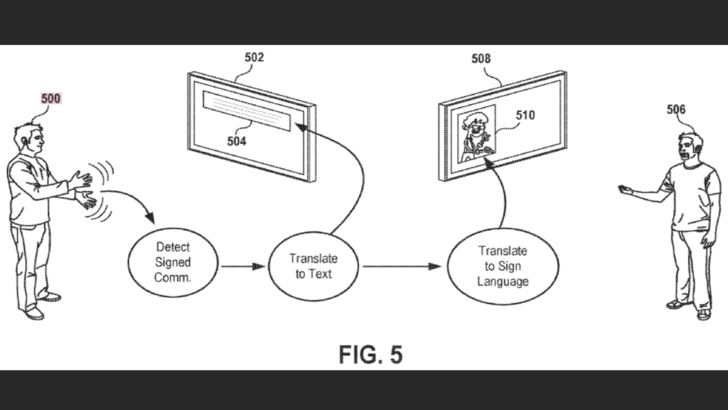
Sony Patents In-Game Sign Language Translator

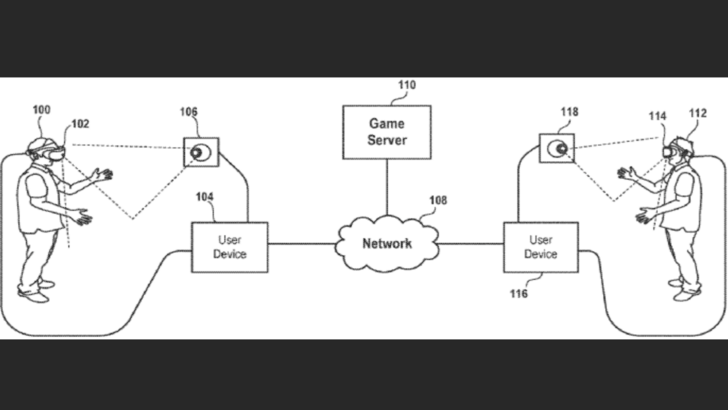
Una manera de implementar este sistema, como Sony ilustró, sería con la ayuda de un tipo VR dispositivo o pantalla montada en la cabeza (HMD). "En algunas implementaciones, el HMD se conecta mediante una conexión por cable o inalámbrica a un dispositivo de usuario, como una computadora personal, una consola de juegos u otro dispositivo informático", detalló Sony . "En algunas implementaciones, el dispositivo del usuario genera gráficos para su visualización a través del HMD que proporciona una visualización inmersiva del entorno virtual para el usuario".

Sony propuso además que un dispositivo de usuario podría comunicarse sin problemas con otro dispositivo de usuario a través de una red con un servidor de juegos. "En algunas implementaciones, el servidor del juego ejecuta una sesión compartida de un videojuego, manteniendo el estado canónico del videojuego y su entorno virtual", dijo Sony, "y con el que los dispositivos de los usuarios están sincronizados con respecto al estado del entorno virtual". ."

Con esta configuración, los usuarios pueden compartir e interactuar entre sí en el mismo entorno virtual, aka juego, a través de una red o servidor compartido. Sony además dijo que en algunas implementaciones del sistema, el servidor de juegos podría ser parte de un sistema de juegos en la nube, que "renderiza y transmite video" entre cada dispositivo de usuario.

Últimos artículos

Más
Welcome to the digital world of Doki Doki Literature Club!* — the psychological horror visual novel that took the internet by storm — now officially arrives on Android with a fresh, immersive update featuring exclusive new side stories and an all-new music player! Originally released for PC, Doki Doki Literature Club! has captivated millions with its seemingly innocent high school club life, charming characters, and a twist that shatters the fourth wall. Now, fans and newcomers alike can experience the full journey on their Android devices, complete with enhanced mobile optimization and a sleek, responsive interface tailored for touch. What’s New in the Android Release? 🎮 Exclusive Side Stories Dive deeper into the lives of the Literature Club members with three brand-new side stories, never before seen in any version of the game. Explore hidden moments between Sayori and her friends, uncover secrets from Yuri’s past, and get a glimpse into Natsuki’s heartfelt journey beyond the baking club. These stories expand the emotional depth of the characters and offer fresh perspectives on the events that unfold. 🎧 Built-In Music Player (Exclusive Feature) For the first time, Doki Doki Literature Club! features a fully integrated music player that lets you enjoy the game’s haunting soundtrack anytime — even when not playing. Curated by the game’s composer, the player includes: Full OST of the original game Bonus tracks from the new side stories Sleep mode and shuffle features Custom playlist creation (perfect for late-night mood sessions) The music player runs seamlessly in the background, letting you listen to tracks like "The Feelings of the Literature Club" and "I'm So Sorry" while using other apps — a nostalgic touch for fans who’ve long wanted to relive the emotional rollercoaster. 🎨 Visual & UX Improvements for Mobile Touch-friendly navigation with swipe gestures Adjustable text size and display settings Battery and performance optimization for long play sessions Optional dark mode for late-night gaming Why It’s a Must-Play on Android Whether you’re a longtime fan who remembers the first time you questioned reality in the game’s diary pages, or a new player drawn in by the cult following, this Android release is a must-have. The story’s emotional twists and psychological depth are more powerful than ever on mobile — perfect for playing in quiet moments, curled up in bed. Available now on Google Play and the official Doki Doki Literature Club! website. Download it today and step into the club — but be warned… something’s not quite right. “It’s not just a game. It’s an experience.” — The Doki Doki Community ⚠️ Note: The game contains themes of mental health, anxiety, and horror. Recommended for ages 16+. Stay curious. Stay cautious. The Literature Club is waiting. 📒🖤 Lectura
Controllers and Sensors > Calibrate Joy-Con) Cleaning the analog sticks (advanced DIY, risk of damage) Contacting Nintendo Support for repair/replacement (if under warranty or eligible for free repair) 🔍 Tips to Avoid Issues: Use a reliable HDMI cable (e.g., Amazon Basics, Belkin, or other well-reviewed HDMI 2.0 cables). Keep Joy-Cons clean—wipe them regularly and avoid dusty environments. Avoid extreme temperatures, which can affect performance. Check for firmware updates on your Switch (Settings > System > System Update). Summary: ⚠️ There is no "Nintendo Switch 2" or "Official Switch 2 HDMI Cable" yet. ✅ Use a high-quality HDMI 2.0 cable to avoid display issues. ❌ But it will not fix Joy-Con drift or connection problems. If you're having Joy-Con issues, focus on calibration, cleaning, or getting official repair support, not cable replacement. Let me know if you'd like recommendations for HDMI cables or how to fix Joy-Con drift!" class="uk-flex uk-flex-middle">As of now, there is no official Nintendo Switch 2 released by Nintendo, so the idea of using an "Official Nintendo Switch 2 HDMI Cable" is not accurate or applicable. The current model available is the Nintendo Switch (2017), and its updated version, the Nintendo Switch OLED Model (2021). However, if you're experiencing issues with your Joy-Cons—such as drifting, unresponsiveness, or poor connection—there are a few helpful tips to keep in mind, and using a proper HDMI cable can help rule out certain display-related issues, but it won't fix Joy-Con hardware problems directly. Here's what you should know: ✅ Use a High-Quality HDMI Cable (Not Necessarily "Official") The Nintendo Switch uses a standard HDMI 2.0 cable, not a proprietary one. While Nintendo does sell an official HDMI cable, it's not required. A high-quality, certified HDMI 2.0 cable (or higher) will work just as well and often at a better price. Avoid cheap or low-quality HDMI cables, as they can cause: Flickering or distorted video No signal (black screen) Audio issues If you're having display problems, test with a known working HDMI cable to rule out video issues. ❌ Joy-Con Drift Is Not Fixed by HDMI Cables Joy-Con drift (where the stick moves on its own) is a hardware issue, typically caused by worn-out analog sticks or dust/contamination inside. Using a different HDMI cable will not fix Joy-Con drift. Solutions for drift include: Calibrating the Joy-Con (Settings > Controllers and Sensors > Calibrate Joy-Con) Cleaning the analog sticks (advanced DIY, risk of damage) Contacting Nintendo Support for repair/replacement (if under warranty or eligible for free repair) 🔍 Tips to Avoid Issues: Use a reliable HDMI cable (e.g., Amazon Basics, Belkin, or other well-reviewed HDMI 2.0 cables). Keep Joy-Cons clean—wipe them regularly and avoid dusty environments. Avoid extreme temperatures, which can affect performance. Check for firmware updates on your Switch (Settings > System > System Update). Summary: ⚠️ There is no "Nintendo Switch 2" or "Official Switch 2 HDMI Cable" yet. ✅ Use a high-quality HDMI 2.0 cable to avoid display issues. ❌ But it will not fix Joy-Con drift or connection problems. If you're having Joy-Con issues, focus on calibration, cleaning, or getting official repair support, not cable replacement. Let me know if you'd like recommendations for HDMI cables or how to fix Joy-Con drift! Lectura